Common Mistakes In The Metal Fabrication Process
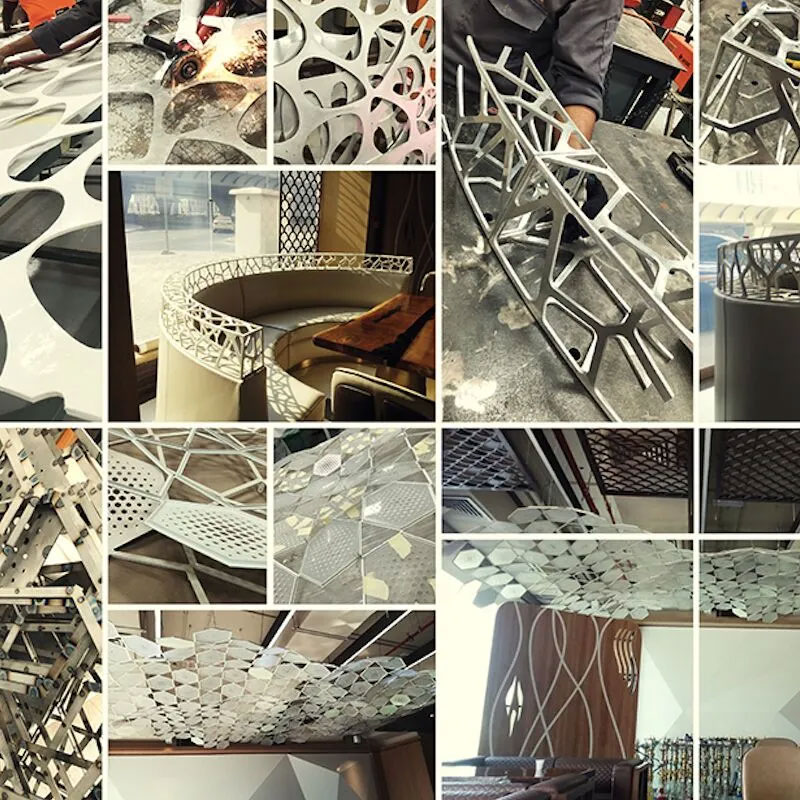
Precision and accuracy play a strong part in producing quality metal products. During the fabrication process, certain mistakes may lead to delays. These errors can occur at different stages, making it necessary to address them quickly to maintain efficiency and achieve the intended outcome.
Inaccurate measurements:
Incorrect measurements in metal fabrication in Dubai are among the most frequent causes of defective work in metal fabrication. Even a small miscalculation may result in parts not fitting together properly, leading to wasted material and extra labour. Consistently checking dimensions before cutting or shaping can help maintain precision.
Using unsuitable materials:
Selecting the wrong type or grade of metal for a specific project can create structural weaknesses or shorten the product’s lifespan. The chosen material must match the intended application, considering factors such as strength, weight, and resistance to environmental conditions.
Poor welding practices:
Welding is a critical stage, and errors here can cause visible defects and weaken the structure. Problems such as insufficient penetration, uneven beads, or contamination from dirt and moisture are common. Careful preparation, clean surfaces, and correct technique improve the overall integrity of the welds.
Improper handling and storage:
Metal sheets, bars, and components may warp, corrode, or get damaged if not handled correctly. Rough handling can dent surfaces, while improper storage can expose metals to moisture and cause rust. Protective coverings and organised storage help reduce the risk of such damage.
Lack of tool maintenance:
Using worn or damaged tools leads to inaccurate cuts, rough edges, and a lower-quality finish. Regularly inspecting and maintaining fabrication equipment keeps performance consistent and extends the life of the tools.
Overlooking safety practices:
Ignoring safety protocols can cause accidents that harm workers and also delay production. Proper protective gear, clear workspace organisation, and adherence to safe operating methods reduce the risk of injury. Working too quickly to meet deadlines may lead to errors such as missed inspections, incomplete welding, or uneven finishes. Taking time to verify each stage allows for better quality control and fewer mistakes.
By staying aware of these issues, fabricators can keep their work more accurate, durable, and efficient. Each stage in metal fabrication benefits from careful attention, proper tools, and a methodical approach to avoid costly rework and maintain a high-quality outcome.